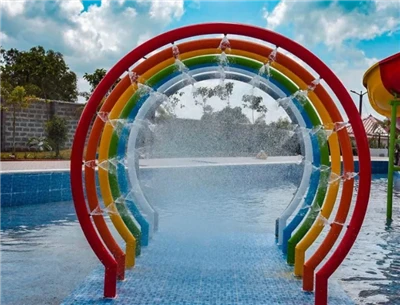


What aspects should be considered in the daily cleaning and maintenance of musical fountains
Regular cleaning can prevent pipe freezing or lamp damage due to weather conditions, as well as periodically check for clogged suction ports. Regularly cleaning computers, upgrading their programs, and starting fountain equipment contribute significantly to extending the service life of the equipment and ensuring stable operation. Special attention is also required when cleaning music fountain equipment
1. Cleaning of the musical fountain pipeline: Conducted annually. Before the fountain equipment is shut down for winter, all water in the pipeline must be drained to prevent freezing and cracking.
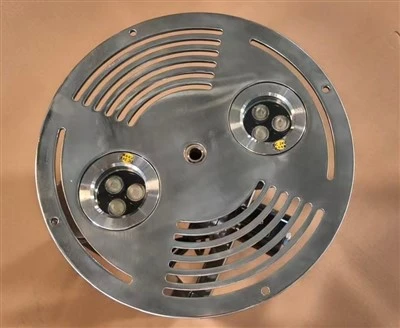
2. Cleaning of music fountain nozzles and underwater lights: Perform cleaning every six months, taking care to avoid damaging the nozzle riser pipes and underwater color lights during the process.
3. Cleaning of Musical Fountain Pumps: The suction ports of fountain pumps should be cleaned monthly to prevent clogging by debris, which can reduce efficiency and even cause equipment damage. (During the winter shutdown period, the cooling water must be drained from submersible pumps to avoid freezing damage. For oil-cooled pumps, the valves must be closed.)
The musical fountain primarily creates a dual sensory experience by coordinating various fountain equipment with music. After prolonged use, the equipment may degrade, leading to diminished performance of the musical fountain show. Therefore, regular equipment replacement is necessary, and maintenance during routine operation is equally crucial. Below, Guangzhou Hua'ao Fountain Company provides a detailed introduction. First, let's discuss how to replace musical fountain equipment:
1. Computers and programs need to be upgraded annually.
2. When replacing the solenoid valve diaphragm, ensure all debris inside the pipeline is thoroughly cleaned. Tighten the screws in a diagonal sequence.
3. The backup fountain equipment must be periodically started and operated (daily for high-frequency use, and once for low-frequency use) to prevent performance degradation.