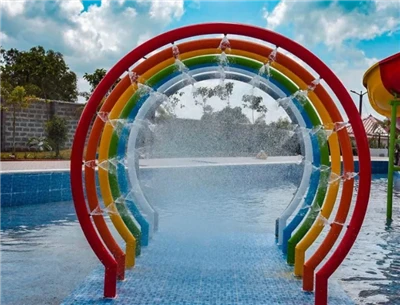


The Fountain classification
Fountain is a common landscape in gardens, mainly in the form of artificial use in gardens, the use of power to drive water flow, according to the speed of injection, direction, spray to create a different fountain state.
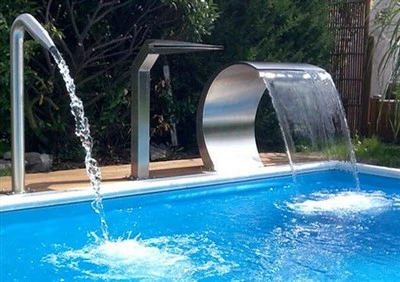
Wall spring: it is ejected from walls, stone walls and glass plates, forming a curtain of water and streams of water.
Spring: The water gushes up from the bottom, in a water column, height of about 0.6-0.8 m, can be set independently can also form a pattern.
Geysers: simulate the geological phenomena in nature and spray water column and steam column at regular intervals.
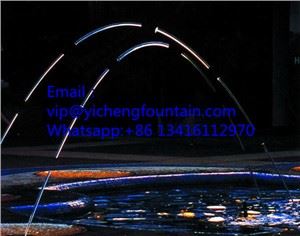
Spring jumping: The jet is very smooth and stable, can accurately fall in the hole, under the control of a computer, to generate variable length and jumping time of the water flow.
Atomizing fountain: It is composed of many groups of microporous fountains. The water flows out through the microporous fountains. It looks like mist, and is usually cylindrical and spherical.
Sketch fountain: from the sculpture wound of the utensils (pots, basins) and animals (fish, dragon) outlet water, the image is interesting.
Combined fountain: it has a certain scale, various forms of water spray, layers, momentum and high jet height.
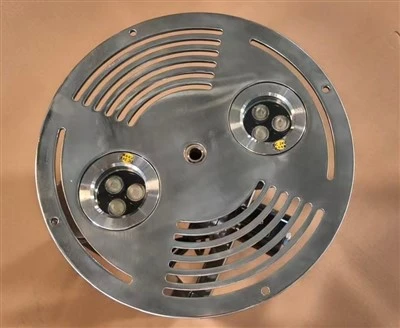
Dry fountains, also known as dry springs: placed underground, sprinklers and lights are set at the bottom of the cover, spraying water, water column through the cover pan or granite pavement hole, flow back to the square hard pavement, along the slope of the ground discharge. It does not occupy recreational space but also can enjoy fountains. When it does not spray water, it does not obstruct traffic. It can also be used by pedestrians as usual. This kind of fountain is very suitable for hotels, restaurants, shopping malls, buildings, street scenes and other places.
The fountain forms in modern cities are very rich. With changes in the size and water pressure of the structure, fountain or high or low, or beads or fog, brilliant. It can be divided into the following 8 categories:
Single-line spraying: Direct spraying from down to up or to the side of a single hole, forming an independent parabola, such as the performance of "swimming fish spit water" and so on.
Combined spray: a fountain consisting of multiple lines or patterns.
Wall spraying: fountain spraying directly to the wall, such as playing squash, and the wall or wall, or wall carving, more distinctive.
Pattern spray: A more complex pattern, either beaded or misty, is formed by a single-line sprinkler with different thickness.
Sprinkler column: Concentrate a considerable number of single-hole ejection in one place, spray as a column, can form a very spectacular fountain group.
Spray: for foundry design or plant maintenance needs, fountains sprayed like fog.
Natural wind fountain: using the wind direction rotated instrument, the natural wind is used to control the direction and height of the fountain.
Compound fountain: Use of various structures, such as walls, poolside, potted flowers, etc., to form a multi-level, multi-directional, multi-water compound fountain.