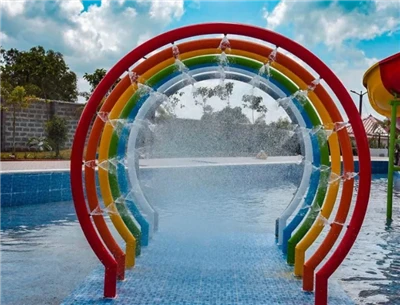


Seven Tips for Creating Visually Stunning Water Features
In recent years, most of the urban water features constructed have been abandoned or left unused, suffering from issues such as stagnant water, non-functioning fountains, darkened water colors, and foul odors. In some residential projects, water features are often used merely as a means to add value and promote sales, with their design and construction lacking long-term consideration, thus creating numerous hidden risks. Replacing design intent with aesthetic appeal is one of the reasons for the failure of water features. Below, we discuss how to preserve the beauty of water features.
1. When designing water features, maintaining water quality must be the primary design criterion. Simply put, once a water feature is polluted, it will immediately lose its aesthetic value. Therefore, considerations for water quality preservation and specialized drainage equipment must be incorporated during the design phase.
2. The design of water systems must always prioritize safety. For instance, the power supply for aquatic propulsion and lighting, the slip-resistant and anti-fall features of paved surfaces, the speed of water jets, noise levels, and other factors all require careful consideration and resolution.
3. Foster a mindset dedicated to maintenance and management. The key to maintaining water features lies in proper upkeep, as only through diligent maintenance can the full effect of the water feature be realized.
4. Design Water Features Based on Local Conditions. Water cannot exist without a container, so the design of water features is not isolated; its formation is contingent upon certain conditions and is inseparable from the surrounding environment.
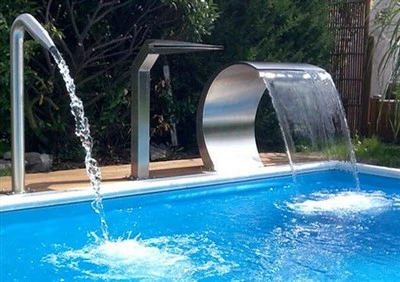
5. Design water features that meet ecological requirements. Integrate the concept of ecology into every water feature design. Even for projects with significant artificial elements that may not immediately showcase ecological effects, designers must adhere to this principle. For instance, the collection and utilization of reclaimed water, rainwater, and cooling water; employing fountains for oxygenation, sprays to generate negative ions, and constructing cascades and turbulent flows through water circulation-all are aesthetically pleasing and ecologically sound practices.
6. The Unity of Garden Architecture Art and Hydroscience. Water landscapes are a comprehensive engineering discipline, deeply rooted in scientific knowledge such as hydraulics, hydrology, and water treatment. From water forms and quality to the design of a single nozzle or the completion of a waterfall facade, profound professional theories are intricately involved.
7. Foster water conservation awareness. Every water feature project must incorporate water-saving measures. Designers should consider whether the project truly requires such a large water surface, how to secure the water source, and how to utilize recycled water, among other factors.