

How to make swimming pool underwater lights waterproof?
How to waterproof the underwater lights in the swimming pool? The waterproof performance control of swimming pool underwater lights is a multi-faceted technical process, involving material selection, sealing technology, protection level, installation and connection, and other auxiliary measures.
To ensure its stable operation in underwater environments, extend its service life, and ensure safety.
1. Selection of materials for underwater pool lights
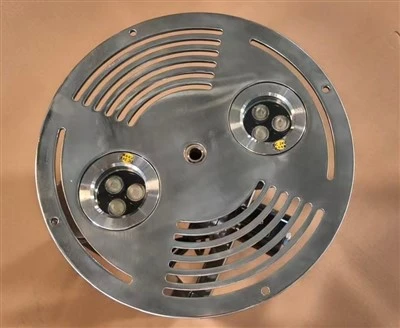
Choose stainless steel/ABS plastic lamp body materials, which have good corrosion resistance and pressure resistance, and can work stably in underwater environments for a long time; The mirror surface is made of PC/tempered glass material, and 8-10mm tempered glass is used as the lens of the lamp. It can not only withstand a certain amount of water pressure, but also effectively prevent cracking and water ingress.
2. Sealing technology
There are two mainstream sealing technologies on the market, one is structural waterproofing and the other is adhesive waterproofing. The structural waterproofing adopts VDE European standard waterproof power cords, high-quality waterproof joints, and silicone or rubber sealing rings to ensure a tight connection between the various components of the lamp, effectively preventing moisture infiltration.; The glue filling process uses transparent epoxy resin material to provide comprehensive protection for LED light sources and electronic components, which can enhance waterproof performance.
3. Installation and Connection
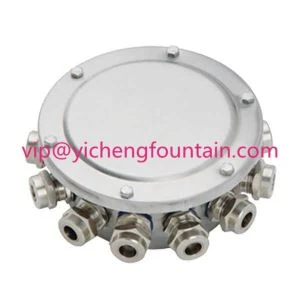
When installing swimming pool underwater lights, special attention should be paid to the waterproof treatment of the connection between the power supply and transformer, as well as the connection between the transformer and the underwater lights. Use waterproof junction boxes and auxiliary materials such as sealant to ensure long-term sealing at the connection.
4. Other auxiliary measures
Heat dissipation design: Good heat dissipation design helps pool underwater lights work stably in the underwater environment, avoiding sealing failure and waterproof performance degradation caused by overheating; Anti static measures: Take anti-static measures during production, installation, and use, such as grounding the workbench, wearing anti-static clothing by workers, etc., to protect the electronic components inside the lamp from static interference and damage.