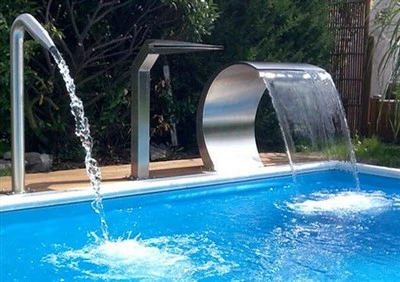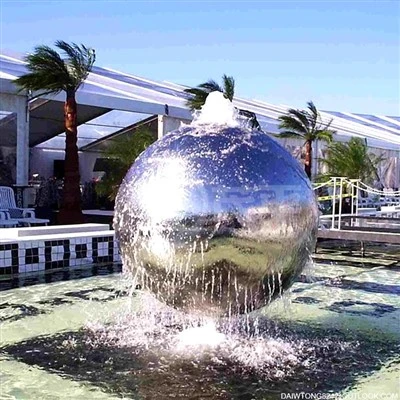


If you're a fountain enthusiast, a landscape architect, or even just someone who's relied on SS laminar jet nozzles (you know, the sleek stainless steel ones that make those crisp, straight water sprays) for your projects, you've probably hit that annoying snag: a clogged nozzle that turns your smooth laminar flow into a sputtery, messy mess. I've been supplying these nozzles for years-so I've seen every type of clog, from tiny mineral deposits to random gunk that snuck through the water line. Today, I'm breaking down how to fix this yourself, with step-by-step tips that actually work, plus the kind of stuff I always pass on to my customers because it saves you time and money.
First, let's get one thing straight: SS laminar jet nozzles are built tough-stainless steel (duh, that's what SS stands for) so they handle outdoor water, chemicals, and regular wear way better than plastic. But "tough" doesn't mean indestructible. Most clogs happen for two big reasons: hard water minerals (like calcium and magnesium) building up over time, and small debris (leaves, dirt, even algae bits) that get trapped in the nozzle's tiny orifice. If you're running a fountain setup that uses water from a tap or a pond without a filter, you're way more likely to deal with this. I've had customers tell me their nozzle was shooting water at an angle like a garden hose that's kinked-turns out it was just a tiny leaf stuck in the tip.
Before you do anything, let's talk safety and prep. You can't clean a nozzle that's still hooked up to your water line, right? So first, shut off the water supply completely. If your nozzle is part of a bigger setup, like a Laminar Jumping Jets Spray that goes 5 meters (yeah, we sell those-check that link here for bigger outdoor setups), make sure to drain any leftover water from the line so you don't get soaked. Next, grab the right tools. You don't need fancy stuff: a small flathead screwdriver, a pair of tweezers (the pointy kind, not the kitchen ones), a soft-bristle toothbrush, and some cleaning supplies. Avoid anything too harsh like steel wool or abrasive pads-they'll scratch the stainless steel finish, which can lead to more buildup later.
Now, step 1: remove the nozzle from the line. Most SS laminar jet nozzles are attached with a threaded fitting or a quick-connect, so this is usually easy. If it's threaded, just unscrew it by hand (or use a pair of pliers wrapped in a cloth if it's super tight-don't scratch the metal!). Once it's off, give the outside a quick wipe with a damp cloth to get rid of surface gunk. That's the easy part.
Step 2: diagnose the clog. Hold the nozzle up to a light. The orifice is that tiny, pinpoint hole in the center-if you can't see light through it, that's where the blockage is. I've seen clogs that are so small you need a magnifying glass, so don't skip this step. Here's where it pays to know what kind of clog you're dealing with. If it's white, crusty stuff, that's mineral scale from hard water. If it's green or brown, that's algae or debris. If it's black, maybe some mold or rust from the line.
Step 3: clean the nozzle-let's split this into the two main clog types because the fix is different. First, mineral scale (the most common one for indoor or regular tap water setups). I swear by white vinegar for this-it's gentle on stainless steel, dissolves calcium and magnesium without scratching. Here's what to do: fill a small bowl with white vinegar, enough to submerge the nozzle completely. Let it soak for 1 to 2 hours. Don't leave it in longer than that-pro tip: leaving metal in vinegar too long can cause minor corrosion over time. After soaking, take the nozzle out. Grab your toothbrush and gently scrub the outside and around the orifice-you'll see the crusty stuff flake right off. If the inside is still gunked, get a cotton swab (not too big) dipped in vinegar, and twist it gently inside the orifice. Don't push too hard-you don't want to widen the hole, which will mess up the laminar flow.
If the clog is debris (like leaves, dirt, algae), skip the vinegar. Instead, use your tweezers to gently pull out any big chunks you can see. For smaller stuff, use the flathead screwdriver-again, super gently, like you're prying a tiny pebble out without damaging the hole. A lot of people try to poke the orifice with a paper clip, but don't do that! Thin metal can bend or scratch the inside wall of the nozzle, which will distort the water stream. I've had to replace more nozzles from people poking them with paper clips than any other mistake. After getting the debris out, rinse the nozzle with clean water to make sure nothing's left.
Wait, what if the clog is really stubborn-like something that's been there for months, so vinegar didn't work? You can make a slightly stronger solution: mix one part baking soda with one part water to make a paste, and spread it on the nozzle (especially around the orifice). Let it sit for 30 minutes, then gently scrub with a toothbrush. Baking soda is abrasive but not harsh, so it won't scratch the stainless steel. That works for those extra crusty deposits I mentioned earlier.
Once you're done cleaning, test the nozzle before you put it back. Hold it over a bucket, turn on the water (just the line, not the full setup), and see if the water comes out in that straight, laminar stream. If it's still sputtering, take a closer look-maybe there's a tiny bit of gunk left. If it's spraying at an angle, you might have bent the nozzle slightly while cleaning (oops, that happens to everyone) - just gently bend it back into shape with your fingers.
Now, let's talk about preventing clogs in the first place, because no one wants to deal with this again. If you're using a nozzle from our lineup, like a 2M Spray Laminar Jet Fountain Nozzle, make sure your water line has a filter. Even a simple mesh filter at the entry point of the line will catch most debris before it reaches the nozzle. For hard water areas, adding a water softener to your system (or just changing the water every few months if it's a small setup) cuts down on mineral buildup. Also, if you're not using the fountain for a while, drain all the water from the lines and nozzles-standing water breeds algae and makes minerals harder.
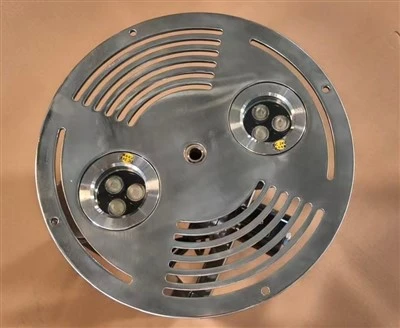
A quick word about our products: we make all kinds of SS laminar jets for different setups-whether you want a Rainbow Laminar Jets with LED Lighting (check that link for colorful nighttime displays) or a Fully Stainless Steel Material Water Jumping Jet for outdoor square decorations. All our nozzles are designed with a wide orifice that resists clogs, but even the best ones need a little TLC. And if you're looking for an IP68 Waterproof Laminar Jet with LED Light Inside, they're built to handle being submerged, so clogs from moisture are less common, but regular cleaning still helps.
I've talked to so many customers who thought a clogged nozzle meant they had to buy a new one-9 times out of 10, it's just a simple cleaning job. I once had a customer who told me his fountain had been broken for 6 months because he couldn't figure out why it was sputtering. After he cleaned the nozzle, he sent me a video of the perfect straight stream shooting again. That's why I love sharing these tips-saves him money, saves me the hassle of him ordering a replacement nozzle (though of course I'm here if he does need it).
If you've tried all these steps and your nozzle still isn't working right, or if you want to upgrade to a newer, more clog-resistant model, feel free to reach out. We've got options for every budget and project, from small backyard setups to large public fountains. No need to play phone tag-just get in touch to chat through what you need.
References
- Fountain Tech Maintenance Guide: Laminar Jet Nozzle Care. Water Fountain Association, 2023.
- Stainless Steel Corrosion Prevention in Outdoor Equipment. Industrial Metal Supply Journal, 2022.
- Laminar Flow Nozzle Design and Debris Resistance. Fluid Mechanics Monthly, 2021.